
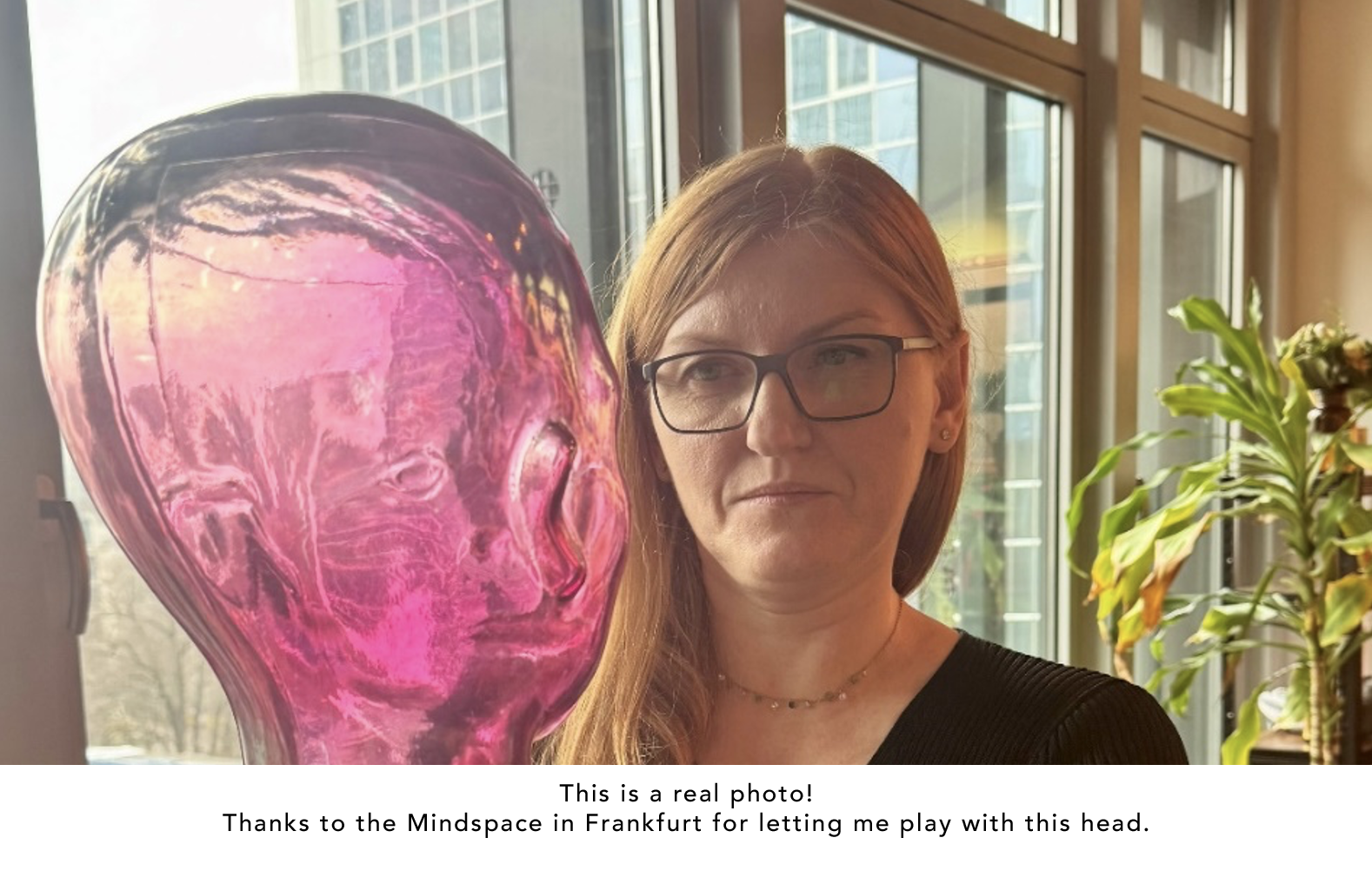
Ever been told, “Let’s be professional” and felt a sudden urge to roll your eyes (but resisted)? Yeah, me too!
Back in my corporate days, I heard it more than once and not necessarily directed only to me. But when I transitioned from a 15-year-long career in the corporate world to becoming an entrepreneur and coach, I started getting curious rather than irritated about what that phrase even means to people.
Does it mean we should wear a suit while working from home? Speak in one style optimized sentences, full of buzz words? Suppress all signs of being an actual human being?
To fully step into my new role, I had to “retire” my old corporate self, minus the useful skills I took with me, and redefine what professionalism actually meant to me. And let me tell you, trusting yourself over the so-called experts who claim to know exactly how you should behave in your new role? Not easy. But so worth it!
I have a habit of diving deep into words origins, so naturally, I went down a linguistic rabbit hole to explore the meaning of “professional” (with a little help from the Oxford Dictionary and some etymology sites to satisfy my curiosity). Here’s what I found:
– It comes from the Latin “professus”, meaning “to profess one’s vows”. Originally, it was about people publicly declaring their dedication to a profession, often in religious contexts.
– By the 15th century, it evolved into meaning “a person skilled in a particular occupation” (which sounds pretty straightforward).
– Today, it mainly refers to someone “doing a job for money rather than as a hobby”.
So, when someone says: “That’s not professional,” what exactly do they mean? Are they questioning your skills? Your dedication? Your paycheck? Or, let’s be honest, are they just uncomfortable with how you’re showing up?
The hidden meaning & fear of judgment
What I’ve noticed is that being “professional” often translates for some people into showing less emotion, following the status quo, or presenting yourself in a way that fits a certain format.
It’s like we’re all playing this unspoken game: don’t be too much, don’t be too little, and certainly, don’t do anything weird (unless it’s the socially acceptable kind of weird, like having an elaborate system for managing your inbox with 66 different folders or being oddly passionate about creating beautiful ppt slides).
And here’s my issue with that: we’re in the 21st century! Work isn’t just about getting a paycheck! It’s where we spend a huge part of our lives. So, shouldn’t being “professional” mean showing up as a whole, real person rather than a perfectly curated avatar?
I’ve seen too many people struggle with feeling never quite right – too loud, too quiet, too sensitive, too direct. We box ourselves in because someone, somewhere, might judge us. But let’s be honest, someone will always judge us anyway. So why not just be yourself and do it skilfully and respectfully, honouring your and other people diversity and boundaries?
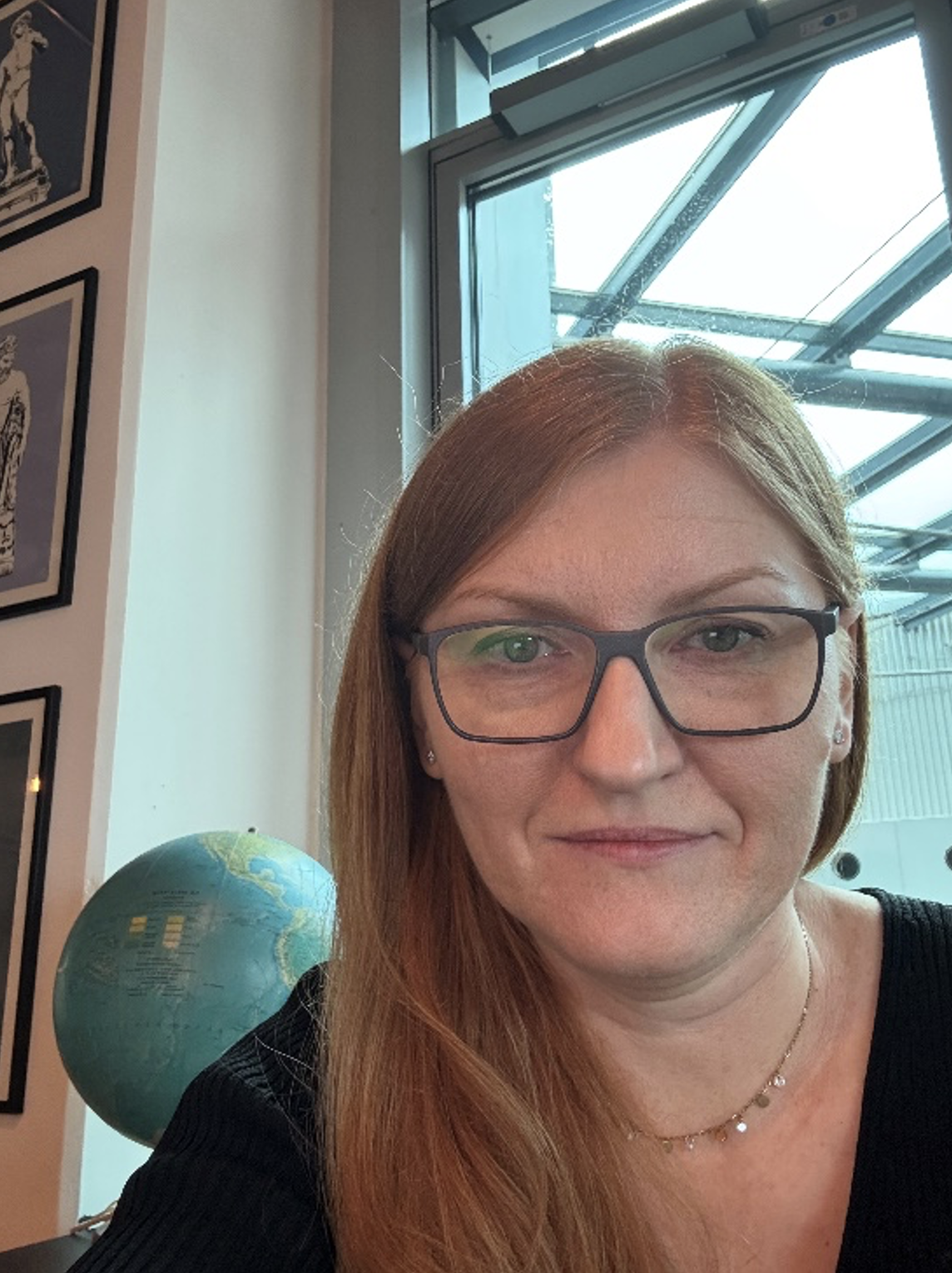
How about we redefine professionalism?!
When I first started my coaching path as my profession, a well-meaning colleague suggested I call myself something other than a coach because apparently, in Germany, coaching doesn’t always have the best reputation. Some people assume it’s fluffy, or worse, and having a coach may be perceived as a sign of weakness, basically not being in control of one’s life.That one hurt a little. Since when did investing in personal growth become a bad thing? But then I realized, people fear what they don’t understand. Some see coaching as admitting they don’t have it all figured out (guess what: no one does!). Others assume asking for support means they’re failing, instead of seeing it for what it actually is: a commitment to self-discovery and growth, to unfolding your true being, followed by tangible actions, a way to transform your life.
When I chose coaching as my professional path, I decided I was going all in, not just by going through a robust training and certification, by following ethical guidelines and using the best tools at my disposal, but by showing up fully. Because if I’m not bringing my whole self to the table, how can I expect my clients to do so?
If professionalism meant suppressing emotions, staying neutral no matter what, and ignoring the very essence of human connection, well, I’d consider my “professional” career over. And honestly, going with that narrow approach of “let’s be professional” would be very depressing. One of my favourite books recently is The Let Them Theory by Mel Robbins. Simple but powerful advice: let them think and do what they want. People will always have opinions about you, about your work, about your choices. And you know what? Let them. Because at the end of the day, what matters is your integrity, your values, being true to yourself, without arrogance, but also without constantly twisting yourself into a pretzel to please others. So next time someone questions your professionalism? Give them a knowing smile, think about Let them as there is another important puzzle of that game: Let me!
And for me? I’ll keep my definition of professionalism: pro-engagement, pro-work with passion, pro-competent and pro-human being who does great work while staying true to themselves. What about you?
What’s your take on professionalism? Let yourself and share with me your comment: agawlodcoach@gmail.com
